
Global Legacy Cities
Grenadines Capital cinematic visualization
Atlas/Caribbean/Saint Vincent and the Grenadines

Grenadines Capital

Yachting and biodiversity capital.

Code · VCTRegion · Caribbean
Digital twin · Interactive 3D

Fly around Grenadines Capital

18.00°, -72.00°

Procedural city overlay on free MapLibre tiles. Drag to orbit, scroll to zoom, right-click to tilt.

Concept · Phase I

Grenadines Capital is being designed as the sovereign future capital of Saint Vincent and the Grenadines.

Yachting and biodiversity capital. The platform will publish the full masterplan, digital twin, district library, investment opportunities and video gallery as the programme advances through engagement and feasibility.

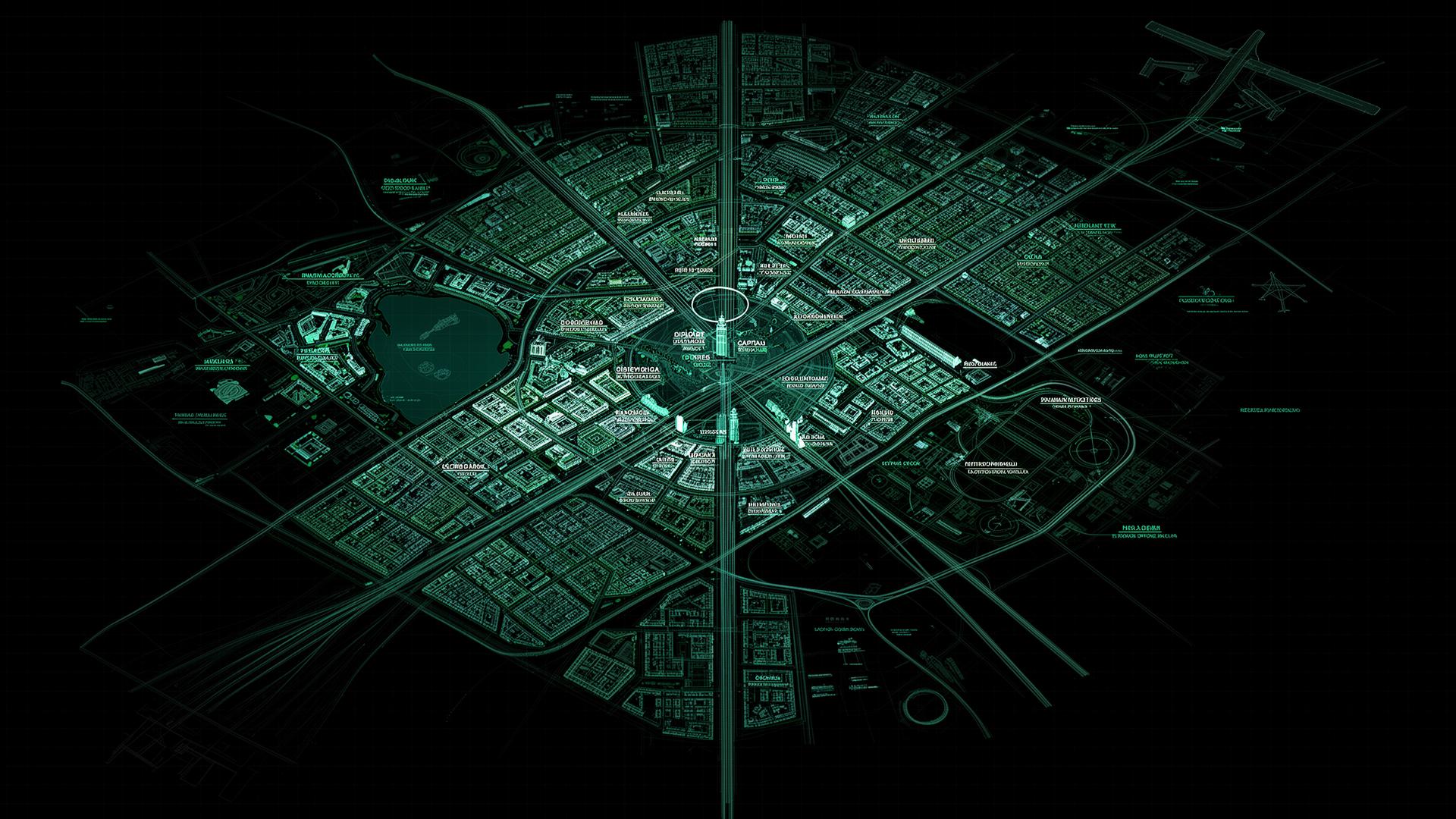
Grenadines Capital indicative masterplan

Programme stages

  1. 01Concept Phase
    Active
  2. 02Government Engagement
    Active
  3. 03Feasibility Study
    Pending
  4. 04Master Planning
    Pending
  5. 05Financing
    Pending
  6. 06Construction
    Pending
  7. 07Operational
    Pending
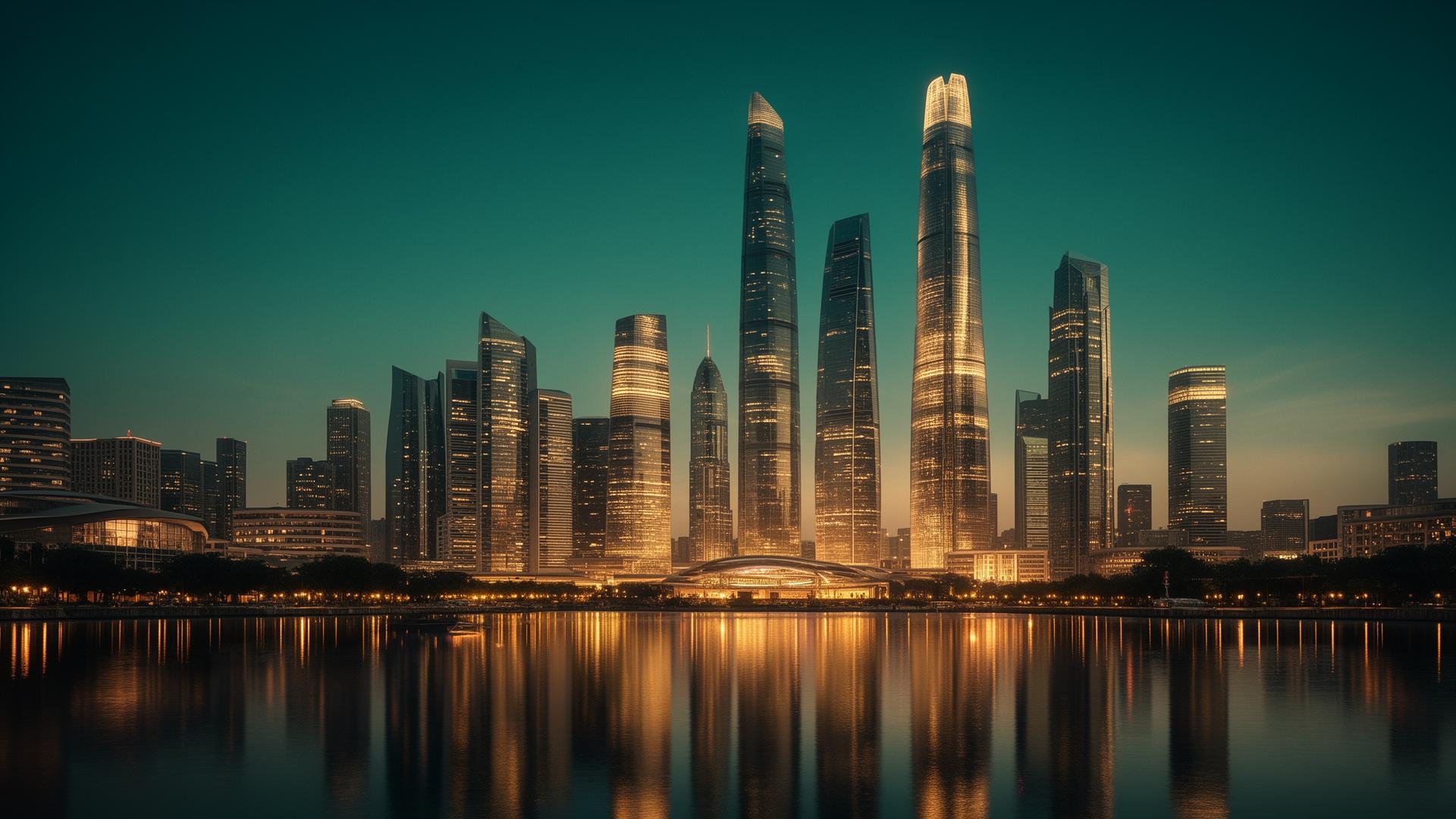
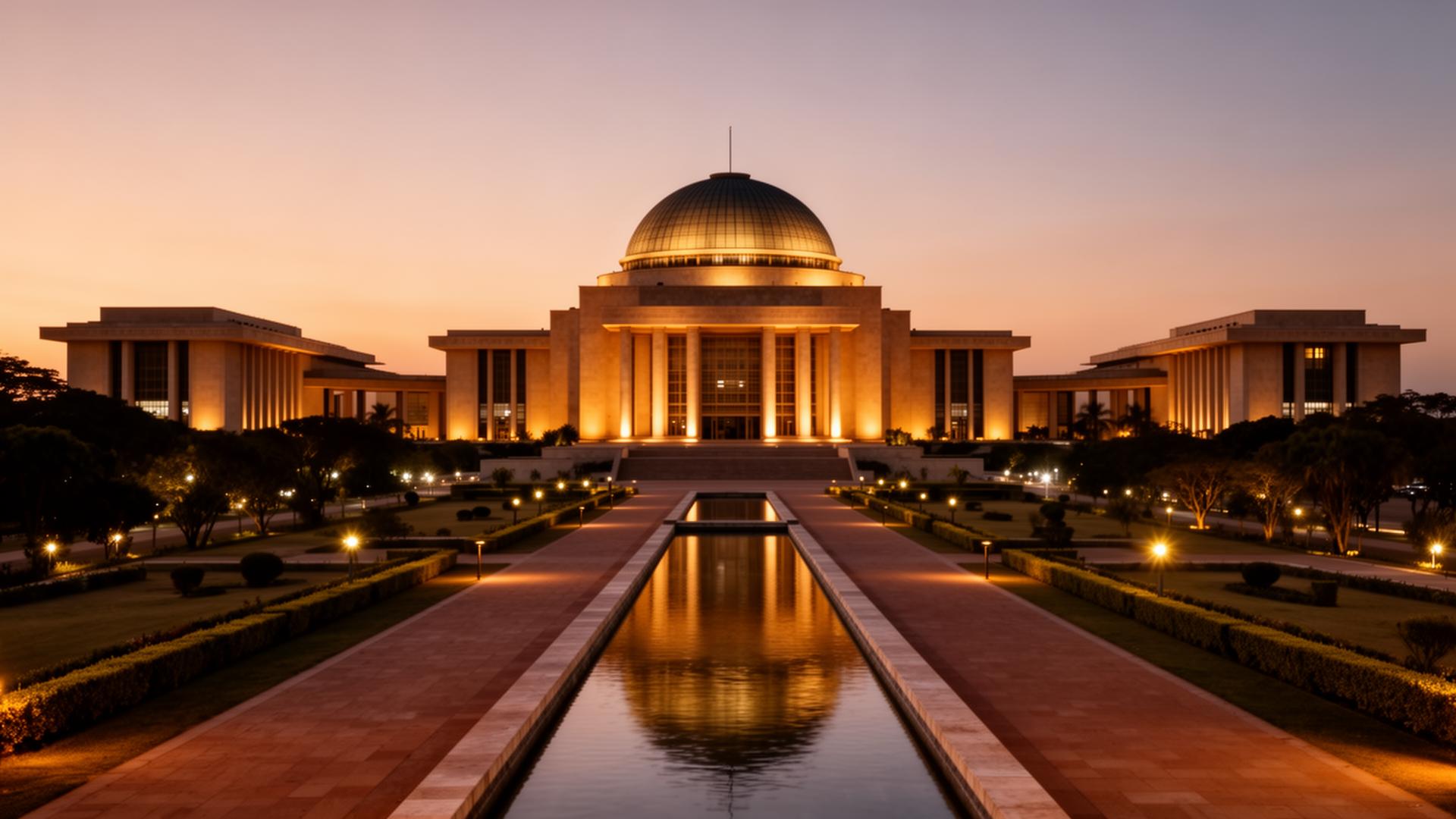
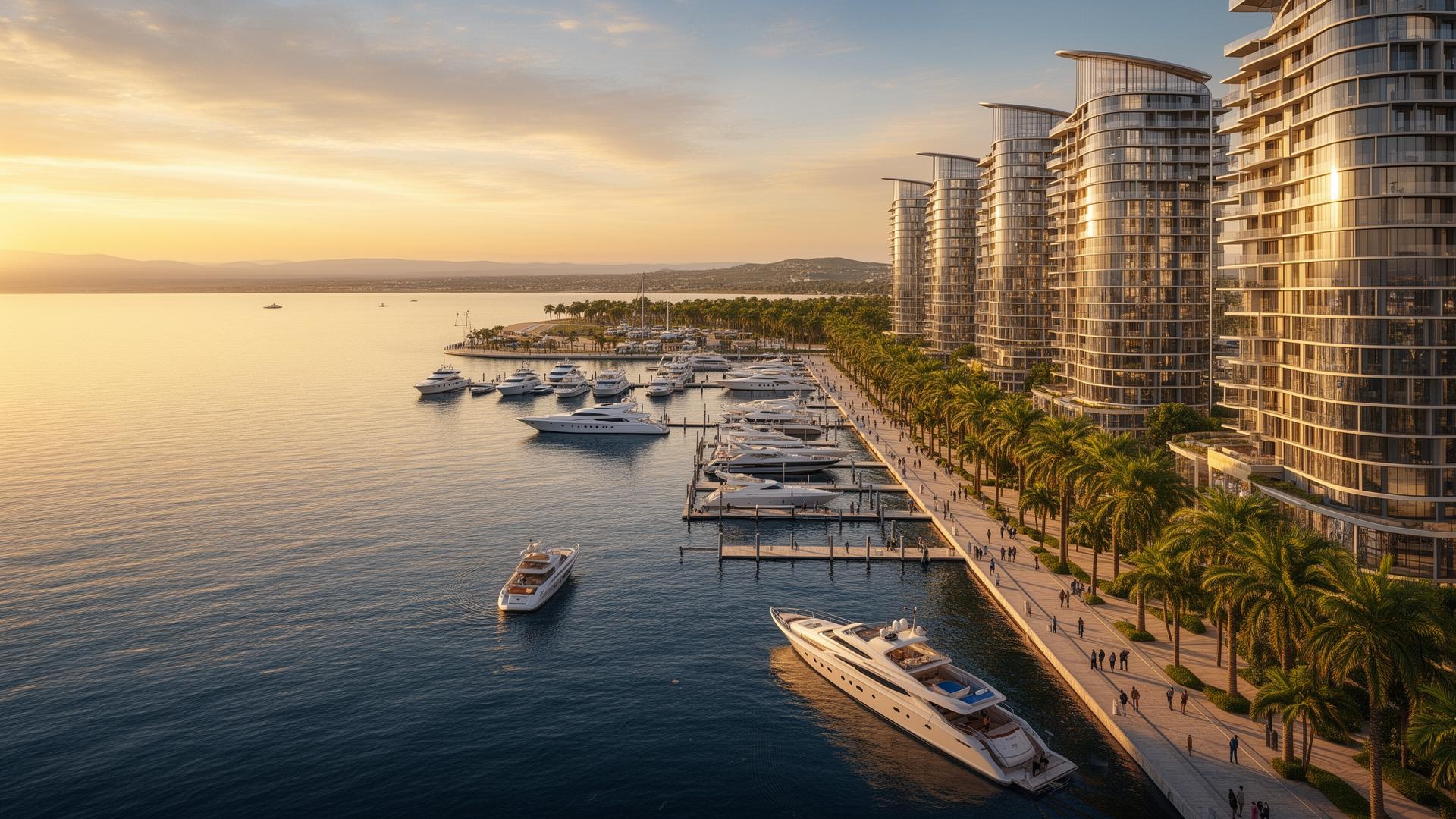
Grenadines Capital skyline conceptGrenadines Capital civic core conceptGrenadines Capital waterfront concept
Doctrine · Sovereign Brief

Official Master Planning Brief

For architects, urban planners, engineers, investors and development partners

§ 00

Executive Vision

Grenadines Capital shall be conceived as one of the most ambitious urban development projects ever undertaken in Africa and the developing world. Rather than simply creating a new city, the project shall establish a complete economic transformation ecosystem capable of accelerating national development, attracting global investment, fostering innovation, reducing poverty, generating employment and positioning Saint Vincent and the Grenadines as a strategic gateway for regional and international commerce. The city shall serve as a flagship under the Global Growth Plan, adapted and replicated across 248 nations and territories, designed to compete with Singapore, Dubai, Abu Dhabi, Doha, Shanghai and Seoul while maintaining a strong Saint Vincent and the Grenadines identity, cultural heritage and long-term environmental sustainability.

§ 01

Master Development Parameters

Initial Development Area

  • ·300–500 km²

Future Expansion Capacity

  • ·Up to 1,000 km²

Population Capacity

  • ·Phase I — 500,000 residents
  • ·Phase II — 1.5 million residents
  • ·Ultimate — 3 to 5 million residents

Planning Horizon

  • ·100-year master plan with modular expansion capability
§ 02

Core Development Philosophy

Global Competitiveness

  • ·Multinational corporations
  • ·Sovereign wealth funds
  • ·International organizations
  • ·Technology firms and financial institutions
  • ·Universities and research institutions
  • ·Global events and high-net-worth individuals

Human-Centered Urban Design

  • ·Walkability
  • ·Livability
  • ·Accessibility and safety
  • ·Transit-oriented development
  • ·Mixed-use communities
  • ·Healthy urban environments

Environmental Sustainability

  • ·Net-zero readiness
  • ·Renewable energy integration
  • ·Smart water and circular systems
  • ·Waste-to-energy infrastructure
  • ·Climate resilience and green building standards
  • ·Minimum 35% dedicated green and ecological land

Economic Inclusion

  • ·Local entrepreneurs and small businesses
  • ·International investors
  • ·Youth employment
  • ·Research institutions
  • ·Manufacturers and technology startups
  • ·Professional services industries
§ 03

Economic Objectives (25-Year Horizon)

  • GDP contribution exceeding USD 100 billion annually
  • More than 1 million direct jobs
  • Premier regional investment destination
  • Leading regional logistics hub
  • International conference and diplomatic destination
  • Innovation, technology, education and research center
§ 04

Final Design Objective

Grenadines Capital shall be designed not merely as a city, but as a fully integrated capital of prosperity, innovation, diplomacy, sustainability, education, manufacturing, culture, technology and human advancement. Every component of the master plan shall reflect permanence, excellence, resilience, economic productivity, environmental responsibility, architectural distinction and future scalability — establishing a model urban development framework capable of adaptation across all 248 nations and territories under the Global Growth Plan and WSANDN global development vision.